In today’s digital world, distinguishing between downtime and a real screen break is more important than ever for both mental wellbeing and eye health. Whether you’re working, gaming, or simply browsing, knowing how to step away from your screens effectively can improve your focus, reduce fatigue, and support better posture.
This post dives into the nuanced difference between downtime and genuine screen breaks, referencing insights from the UK Health and Safety Executive (HSE), alongside practical real-world examples involving modern mobile browsers, phones, tablets, and even popular entertainment options like Mr Q Casino. We’ll also spotlight how short-session habits, coffee breaks, and self-contained gameplay rounds can influence your digital wellbeing.
Understanding Downtime vs. Screen Breaks
At first glance, downtime might seem synonymous with a break, but their implications differ significantly when it comes to screen exposure and mental relief.
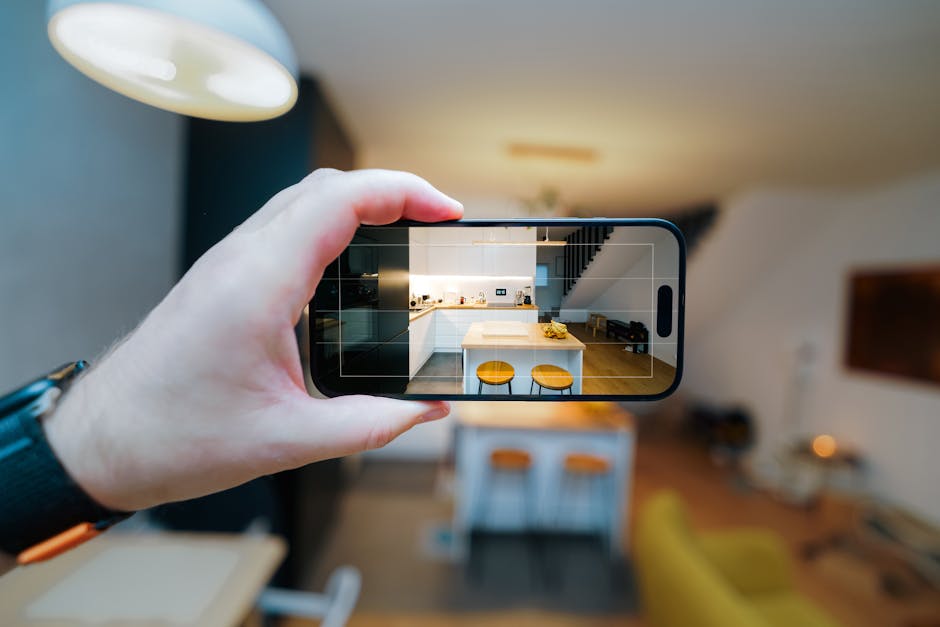
- Downtime typically refers to a period when you reduce the intensity or focus of your screen activity but remain engaged with a device or interface. For example, casually scrolling social media, watching passive videos, or quickly tapping through a few slots rounds. Real screen breaks involve a conscious period of disconnection from screens altogether, ideally incorporating a change in posture, eye focus, and environment to counteract the effects of prolonged screen use.
The HSE guidelines emphasize that effective breaks should include not just rest for the eyes but also relaxed muscles and posture shifts to prevent musculoskeletal problems. Contrast this with mere downtime, which may offer mental respite but rarely addresses these physical factors.
Coffee Breaks as Modern Micro-Entertainment Windows
Historically, coffee breaks served as social and physical pauses during work. Today, they strongly overlap with micro-entertainment windows, aided by smartphones and tablets that keep us connected on the go.
During your coffee break, you might:
- Play a round of slot games on the browser version of Mr Q Casino Glance through notifications Watch a few seconds of a video
Though these activities provide mental diversion, they often keep your eyes fixed on a screen and your body in the same posture, limiting the break’s effectiveness as a genuine rest.
Short-Session Habits and Smartphone-Driven Usage
Modern mobile browsers and mobile devices encourage very short session habits, especially with quick-loading, self-contained activities such as browser-based slots. These rounds usually require a few taps and last just minutes, making them convenient for filling tiny pockets of time.

However, this convenience risks blurring the line between meaningful rest and passive engagement. You might think you are taking a break, but your eyes and brain remain actively processing information, and your posture stays static.
Slots as Self-Contained Rounds with Low Memory Load
Slots are a prime example of digital micro-entertainment designed to fit into brief moments. On platforms like Mr Q Casino — accessible directly via browsers without app installs — each spin or round lasts only a few seconds to a couple of minutes.
This design enables users to enjoy multiple rounds during short breaks without heavy cognitive demand or long-term memory involvement. Though this can contribute to a feeling of mental refreshment, it does not equate to the restorative quality of a full screen break.
Browser-Based Access vs. App Installs: Impact on Break Quality
Accessing entertainment or tools via modern mobile browsers offers flexibility and speed. There’s no need for storage space or onboarding, which means less friction before you start relaxing.
In contrast, apps installed on phones and tablets often encourage longer, more immersive sessions through added notifications and animations — potentially making your “break” longer but less effective for true eye/mental rest.
Why Mental Breaks Are Not Always Eye Breaks
It’s critical to remember that a mental break from complex tasks or distractions, while helpful, doesn’t necessarily provide an eye break.
You may switch from work email to mobile gaming or social media scrolling, shifting your mental focus but maintaining nearly identical visual demand. The constant screen responsible gambling tools exposure can strain your eyes even if mentally you feel distracted or entertained.
The UK’s HSE recommends the “20-20-20 rule” as a helpful guideline: every 20 minutes, look at something at least 20 feet away for 20 seconds — something rarely achievable during casual smartphone usage.
Posture Change and Screen-Free Minutes: Keys to Real Breaks
Real breaks incorporate physical posture change and complete screen disconnect:
Posture Change: Standing up, stretching your back and neck, walking around – these movements alleviate muscle tension that regular screen use induces. Screen-Free Minutes: Ideally, spend at least 5 minutes away from all screens to let your visual system rest and reset.This kind of break helps counteract both digital eye strain and physical ailments associated with prolonged static positioning.
One Non-Screen Break Alternative
Next time you want a genuine rest, instead of picking up your phone, try a quick walk around your workspace or office. This not only gives your eyes a screen-free respite but promotes circulation and mental clarity.

Summary Table: Downtime vs. Real Screen Break
Aspect Downtime Real Screen Break Screen Exposure Reduced intensity but still on screen No screen time — eyes rest from devices Mental Engagement Low to moderate (e.g., passive browsing or gaming rounds) Minimal to none; focus shifts off digital tasks Posture Usually unchanged; often seated Posture changes encouraged: standing, stretching, walking Session Length Usually under 5 minutes, often seconds to minutes Recommended 5+ minutes for best effect Device Access Via smartphone/tablet apps or browser-based platforms like Mr Q Casino Device put aside or out of sight Health Benefits Limited; mental rest but persistent eye strain risk Reduced eye strain, improved posture, mental refreshmentFinal Thoughts
Navigating the distinction between downtime and real screen breaks is key in our increasingly screen-dominated lives. While modern mobile browsers and devices provide convenient gateways for micro-entertainment — think browser-based slots with minimal memory load — it’s important to consciously incorporate genuine breaks that transform how both your eyes and body engage with your environment.
Remember that a quick round on Mr Q Casino during a coffee break might mentally refresh you, but doesn't replace stepping away from screens and changing posture to truly recharge.
For healthier daily routines, aim to blend the two wisely: use downtime as mental micro-pauses but commit to regular, posture-changing, screen-free moments for https://xn--toponlinecsino-uub.com/why-do-news-apps-and-slots-both-feel-made-for-short-attention-spans/ full restorative benefits.